Slot Algorithm Adjustments: How Tiered Rewards Shape Player Retention Dynamics
Written by Ulrich Friedrich · Jul 21, 2026
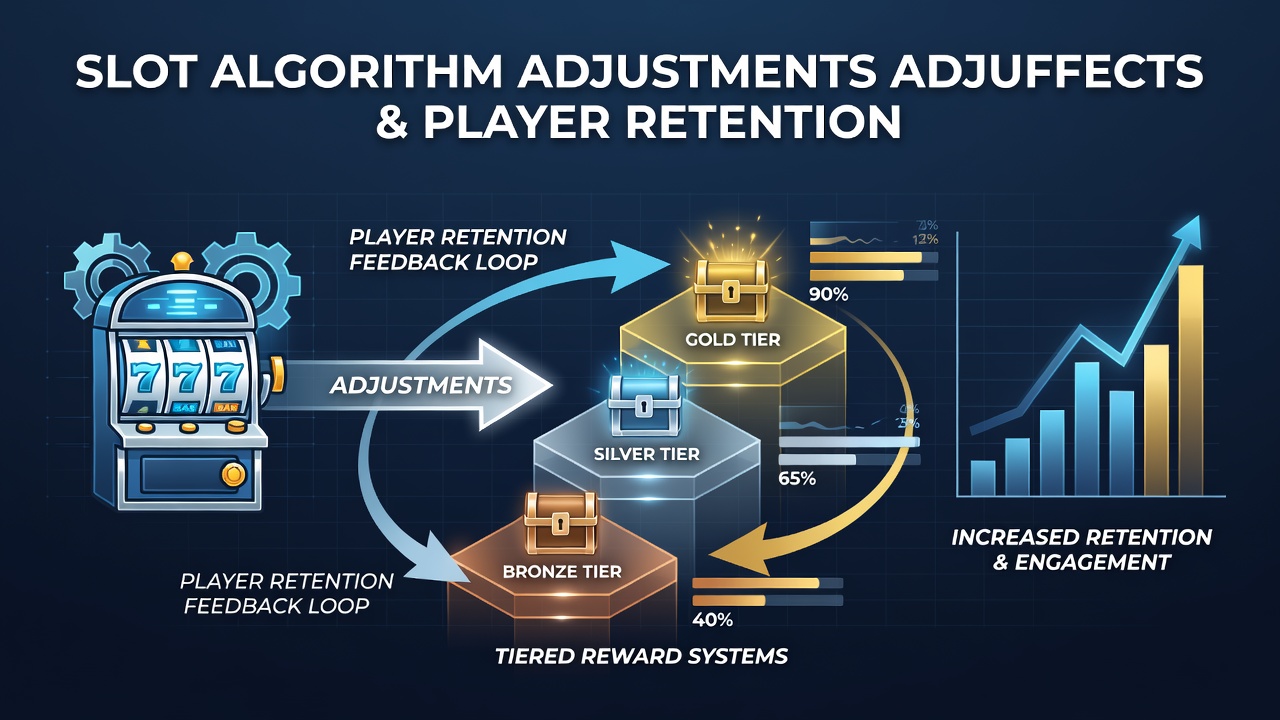
Slot Algorithm Adjustments: How Tiered Rewards Shape Player Retention Dynamics
Slot algorithm adjustments involve modifications to payout frequencies, volatility levels, and random number generation patterns that operators implement to balance house edges with engagement metrics, and these changes interact directly with tiered reward systems that segment players into progressive loyalty levels offering escalating benefits such as customized free spins and cashback multipliers. Observers note that such adjustments often occur during scheduled platform updates, with data from July 2026 revealing increased activity in retention tracking across multiple jurisdictions.
Core Components of Slot Algorithm Adjustments
Operators modify algorithms by altering return-to-player percentages within regulatory limits, shifting from high-volatility models that produce infrequent large wins to medium-volatility setups that deliver steadier smaller payouts, while tiered reward frameworks assign players to bronze, silver, gold, or platinum categories based on wagering volume and session duration. Research from the National Center for Responsible Gaming indicates these modifications can extend average play sessions when paired with tier-specific incentives that unlock at defined thresholds.
Algorithm tweaks also incorporate dynamic elements like adaptive bonus triggers that respond to player behavior patterns, and when integrated with tiered systems the higher tiers receive priority access to reduced-volatility modes or enhanced multiplier features that encourage continued participation without altering base game mathematics.
Integration of Tiered Rewards with Algorithmic Changes
Tiered reward structures operate through cumulative point systems where players advance levels by meeting play criteria, and algorithm adjustments support retention by aligning reward availability with the modified payout rhythms so that bronze-tier participants encounter more frequent small wins while platinum members access rarer high-value features calibrated to their established engagement history. Data shows that platforms applying these combinations report measurable differences in repeat visit rates compared to single-tier or static-reward models.
One implementation involves real-time volatility scaling that lowers risk parameters for players approaching tier promotion thresholds, thereby increasing the likelihood of reaching the next reward bracket and sustaining longer-term activity cycles, according to industry analyses released in mid-2026.
Observed Retention Patterns Across Player Segments
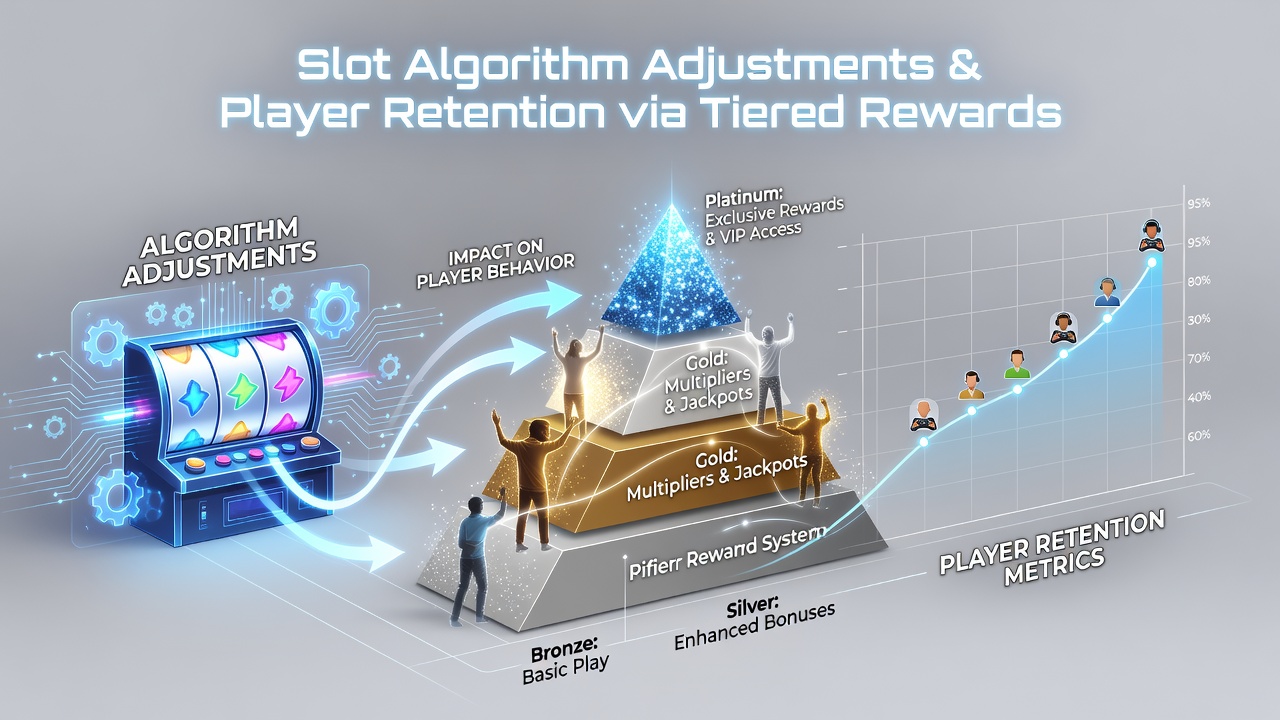
Retention metrics track metrics such as session frequency, total wager volume, and churn rates, with studies indicating that algorithm adjustments favoring consistent small returns tend to improve retention among entry-level tiers while higher tiers benefit from occasional volatility spikes that align with exclusive jackpot access. Figures from regulatory bodies in Nevada demonstrate that operators using tier-linked algorithmic variations maintained higher month-over-month player counts in comparable reporting periods.
Additional patterns emerge when reward tiers incorporate personalized algorithm profiles, allowing systems to adjust reel weighting or bonus round probabilities based on a player's historical tier progression, which in turn supports extended engagement windows without requiring manual intervention from operators.
Data Insights from Recent Reporting Periods
July 2026 updates across several markets highlighted correlations between tier progression speed and retention duration, particularly when algorithms incorporated feedback loops that rewarded consistent play with incremental volatility reductions at each tier boundary. Australian research centers have documented similar outcomes in longitudinal player tracking, noting that structured reward ladders combined with algorithmic calibration produced steadier participation rates across diverse demographic groups.
Those analyzing retention data further observe that transparent communication of upcoming algorithm shifts alongside tier benefit announcements correlates with reduced player migration to competing platforms, as participants anticipate future rewards calibrated to their current standing.
Conclusion
Slot algorithm adjustments and tiered reward systems function together through coordinated mechanisms that segment player experiences while maintaining consistent mathematical foundations, and available data from multiple regions continues to illustrate their combined influence on retention indicators. Operators and researchers alike examine these interactions through ongoing performance monitoring to refine implementation strategies across evolving platform environments.