Reward Dynamics in Multi-Format Mobile Gaming Environments
Written by Ulrich Friedrich · Aug 25, 2026
Reward Dynamics in Multi-Format Mobile Gaming Environments
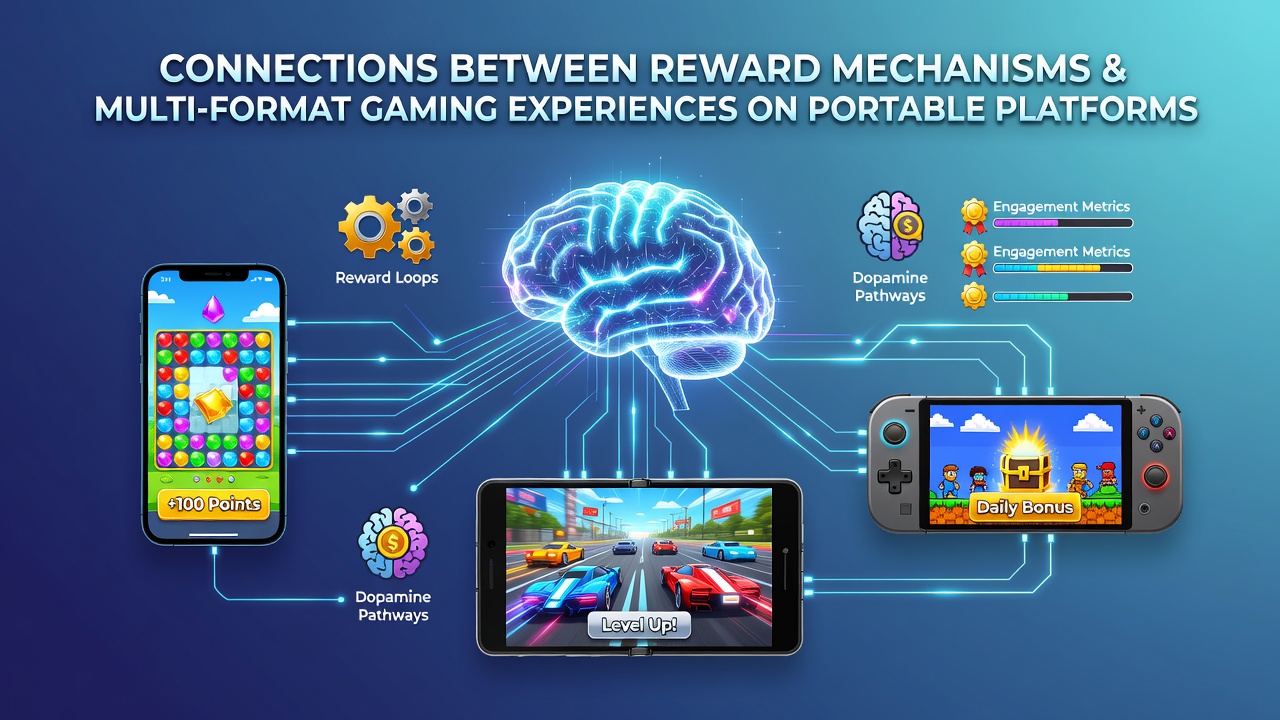
Portable platforms have reshaped how reward mechanisms operate across multiple game formats, with developers integrating points systems, achievement badges, and progression ladders that transfer between casual puzzle titles, action adventures, and simulation experiences on the same device. Research from industry analysts shows these connections allow players to maintain momentum when switching formats, since core reward structures often share underlying data frameworks that track user activity across sessions.
Core Reward Structures in Mobile Ecosystems
Studies indicate that mobile games frequently employ layered reward designs where immediate micro-rewards, such as daily login bonuses, connect directly to longer-term progression elements like character upgrades that carry over into other formats. Observers note this integration appears most pronounced on tablets and smartphones, where hardware constraints encourage unified backend systems rather than separate tracking for each title. Data from global market reports reveals that players who engage with multiple formats on portable devices show higher retention rates when rewards align across genres.
Cross-Format Progression Mechanics
One pattern documented in recent analyses involves shared currency models that function identically whether a user plays a strategy game or an exploration title on the same portable hardware. Researchers have observed that these models reduce friction during format switches, because accumulated resources remain accessible without platform-specific resets. As of August 2026, several major developers have expanded such systems to include cloud-synced profiles that link portable play with console versions, though the primary focus remains on smartphone and tablet interactions.
Evidence suggests that achievement systems benefit particularly from this multi-format approach, since completing objectives in one game can unlock visual or functional elements usable in another. Those who've examined player behavior data note that portable platforms facilitate this through consistent notification channels and quick-access menus that keep reward notifications visible regardless of the current game format.
Technical Foundations Supporting Reward Integration
Developers rely on standardized APIs and cloud services to maintain continuity between reward mechanisms, and this infrastructure enables real-time updates that reflect activity across formats without requiring manual synchronization. Industry reports highlight that portable operating systems provide built-in tools for handling these connections, which reduces development overhead while ensuring consistent user experiences. What's interesting here is how these technical choices influence the design of individual games, since creators must account for reward visibility across varied screen sizes and input methods common to mobile devices.
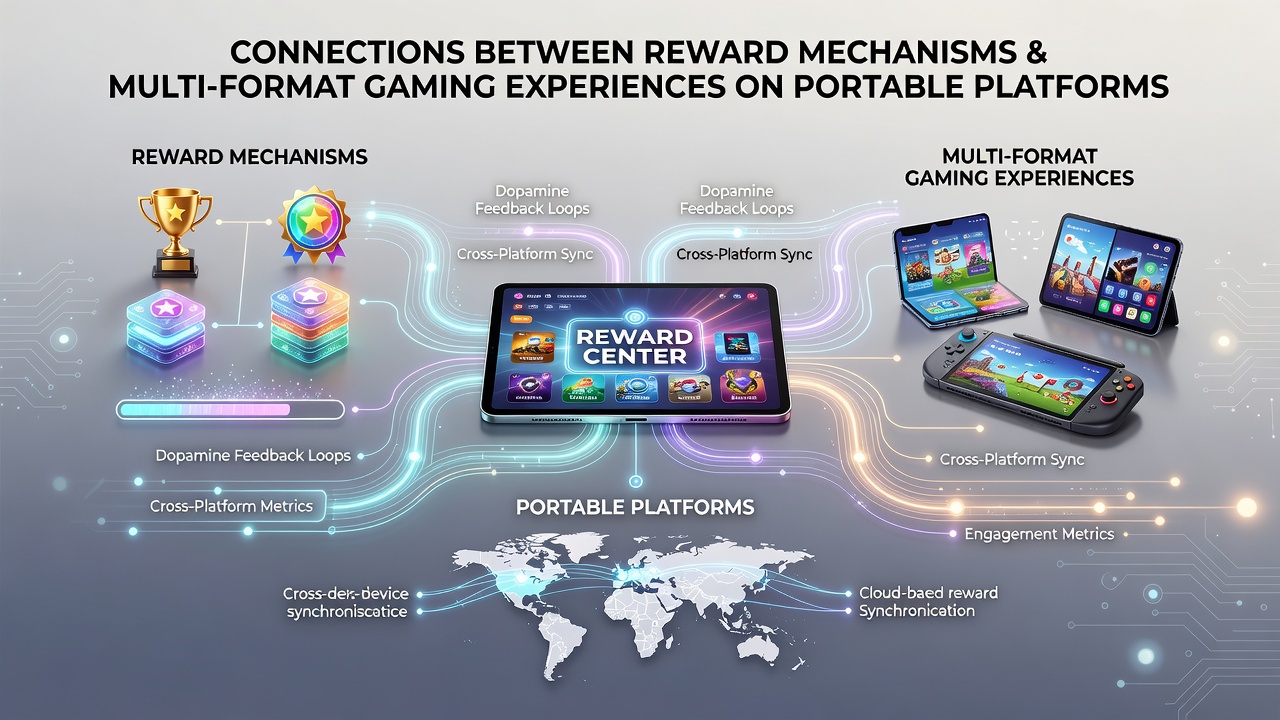
Analyses from research institutions point to increasing adoption of unified player profiles that aggregate data from multiple game types, allowing rewards earned in one format to influence difficulty scaling or content availability in others. This approach appears especially relevant for portable platforms because users often alternate between short sessions on phones during commutes and longer sessions on tablets at home.
Regional Variations in Implementation
According to findings published by the Entertainment Software Association, North American studios have prioritized seamless reward transfers within their mobile portfolios to support broader engagement across genres. Meanwhile, reports from the Interactive Games and Entertainment Association in Australia document similar trends, with emphasis on how local regulations around digital transactions shape reward visibility and player communication. European developers, per data compiled through EU gaming trade groups, tend to focus on accessibility features that ensure reward mechanisms remain functional across diverse device capabilities.
Figures from academic studies conducted at various universities reveal measurable impacts on play duration when reward connections span formats, particularly on portable hardware where battery life and network variability can interrupt sessions. Observers note that developers mitigate these interruptions by designing rewards that resume automatically upon reconnection, preserving progress regardless of format.
Future Directions for Portable Reward Systems
Emerging trends show continued refinement of reward mechanisms that adapt to individual play patterns across multiple game formats on mobile devices, with machine learning components adjusting offer frequency based on aggregate user data. Those studying these developments indicate that portable platforms will likely serve as the primary testing ground for such innovations due to their widespread adoption and rapid iteration cycles.
Conclusion
Connections between reward mechanisms and multi-format gaming on portable platforms rest on shared technical infrastructures, consistent progression models, and regional implementation differences that together shape user engagement patterns. Data from multiple sources demonstrates how these elements function in practice, providing a factual basis for understanding current mobile gaming landscapes without speculation on future outcomes.