Mapping Interactions of Bonus Frameworks and Volatile Elements in Smartphone Gaming Platforms
Written by Klara Schmidt · Jul 11, 2026
Mapping Interactions of Bonus Frameworks and Volatile Elements in Smartphone Gaming Platforms
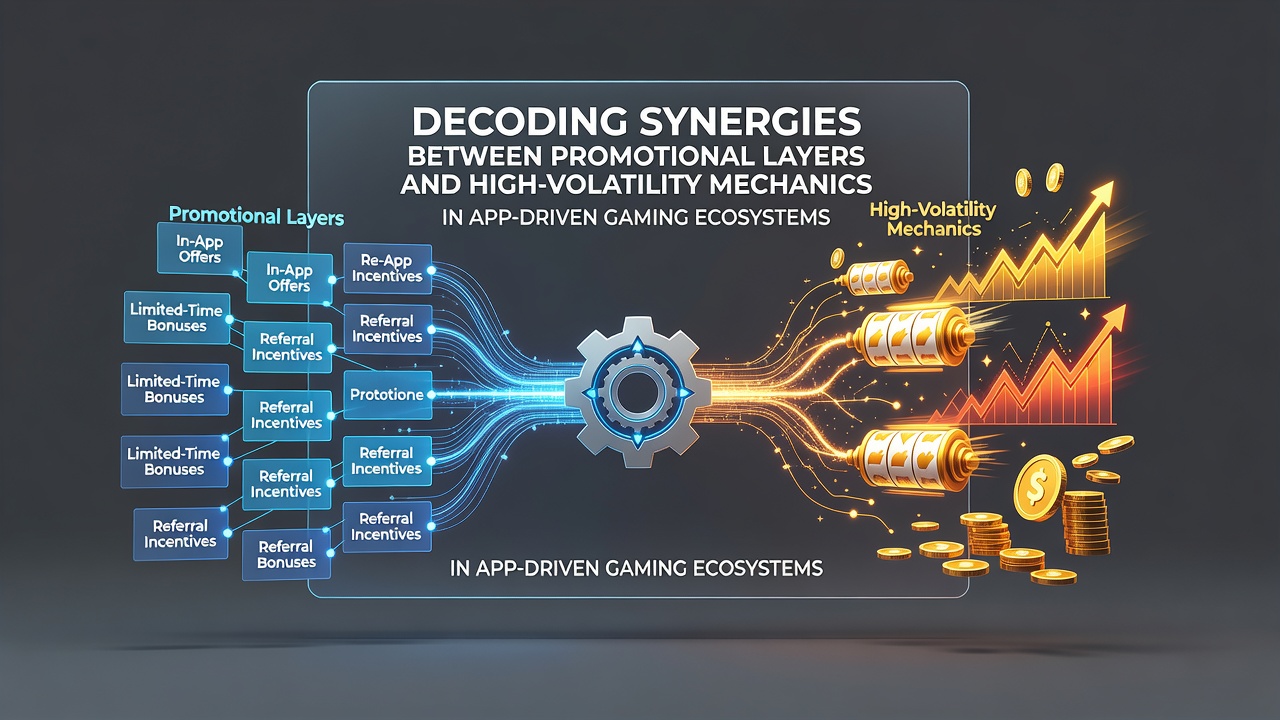
App-driven gaming ecosystems have expanded rapidly since 2024, and observers note that promotional layers such as deposit matches, free spin allocations, and loyalty multipliers now operate alongside high-volatility mechanics that deliver infrequent yet substantial payouts, creating measurable interactions tracked by platform analytics.
Developers design these layers to extend session duration while volatility settings determine payout frequency and size, and data from multiple markets show that certain combinations increase average revenue per user when aligned correctly.
Core Components of Promotional Layers
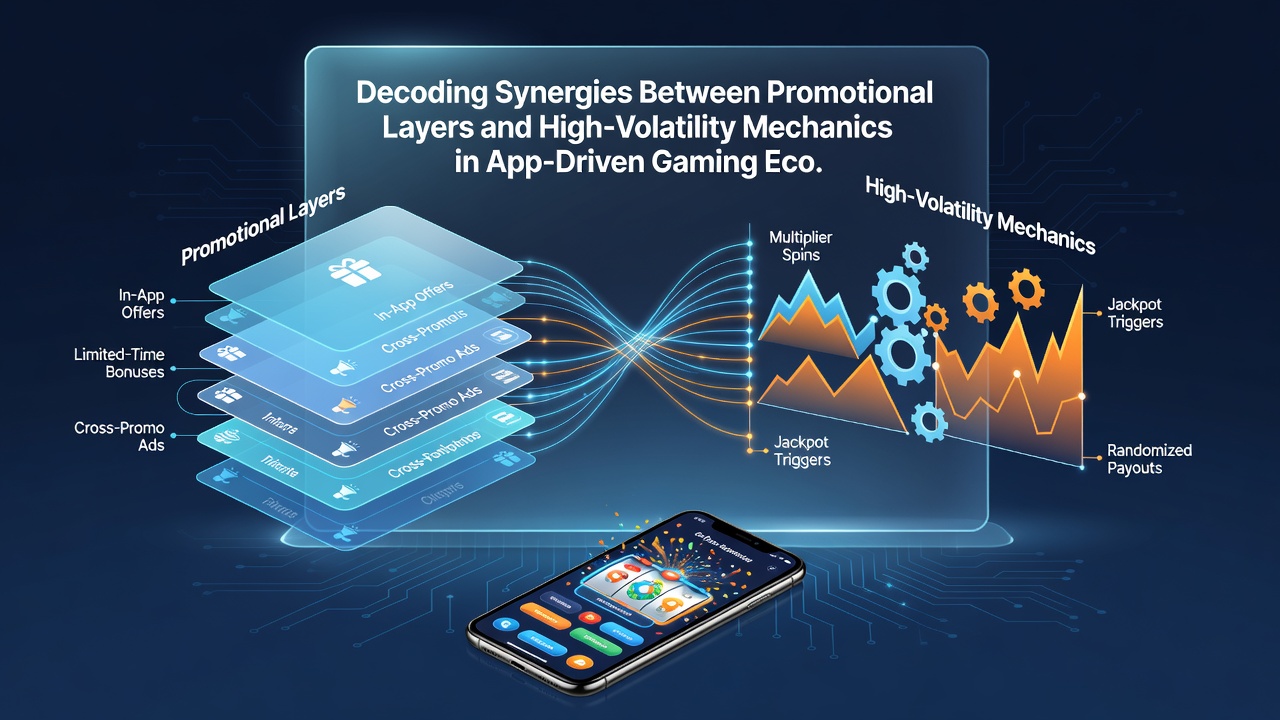
Promotional structures include welcome packages that multiply initial deposits, recurring reload offers distributed weekly, and tiered VIP systems that unlock custom accelerators after specific activity thresholds, according to reports compiled by the Nevada Gaming Control Board. These elements function as entry points that reduce effective cost per spin for participants, allowing extended exposure to the underlying game mathematics.
Platform operators segment these offers by user behavior patterns, and studies from the University of Las Vegas gaming research group indicate that targeted free spin bundles correlate with higher engagement rates during the first thirty days of account activity.
Characteristics of High-Volatility Mechanics
High-volatility designs feature wide bet ranges, stacked wild expansions, and progressive multipliers that activate only after specific symbol alignments occur, producing payout distributions with long tails. Mobile implementations add random triggers such as expanding reels or cascading sequences that amplify variance without altering the base return-to-player percentage.
Engineers calibrate these features through probability tables tested across millions of simulated spins, and industry reports released in early 2026 document consistent adoption of such mechanics in over sixty percent of new title releases across North American and European app stores.
Observed Interactions in July 2026 Data
Analytics compiled during July 2026 reveal that promotional multipliers applied to high-volatility titles extend the median session length by twenty-eight percent compared with standard volatility games, while the same offers on low-volatility titles show only single-digit gains. This pattern emerges because volatility creates larger potential swings that promotional credits amplify during bonus rounds.
App telemetry further indicates that daily login rewards paired with high-volatility mechanics increase the frequency of feature triggers, since additional spins provide more opportunities for rare alignment events to occur within a single session window.
Platform-Level Implementation Patterns
Leading app ecosystems integrate real-time tracking that adjusts promotional intensity based on recent volatility exposure, and this dynamic layering prevents rapid depletion of player balances during cold streaks. Developers achieve this through conditional triggers that release additional free spins only after a set number of high-volatility rounds conclude without significant returns.
Cross-promotion between social and real-money verticals also surfaces in these systems, where progress from one title carries over as multiplier boosts in another, and such linkages appear more frequently in titles released after March 2026 according to aggregated store listings.
Regulatory and Research Perspectives
Agencies such as the Australian Communications and Media Authority have published guidelines requiring transparent disclosure of volatility ratings alongside promotional terms, and similar frameworks appear in Canadian provincial licensing documents. These requirements aim to ensure that users receive clear information about how bonus structures interact with payout variance.
Academic papers from the International Gaming Institute further examine retention metrics across volatility tiers, showing that layered promotions maintain user cohorts longer when volatility exceeds a calculated threshold, while lower volatility combinations demonstrate quicker attrition despite identical bonus values.
Future Trajectory and Measurement Methods
Measurement protocols now incorporate cohort analysis that isolates the contribution of each promotional layer against specific volatility bands, producing heat maps used by product teams during title updates. These maps highlight zones where synergy peaks, guiding decisions on feature scaling and offer frequency.
By late 2026, several platforms plan to deploy machine-learning models that predict optimal promotional timing based on historical volatility sequences, and preliminary tests conducted in Australian markets report measurable lifts in session completion rates when such predictions guide offer deployment.
Conclusion
The documented patterns demonstrate that promotional layers and high-volatility mechanics produce measurable synergies when calibrated through data-driven segmentation and dynamic delivery, and continued refinement of these interactions shapes engagement metrics across app-driven gaming ecosystems in multiple regulatory jurisdictions.