Exploring Interactions Between User Input Systems and Tailored Incentive Structures in Digital Slot Environments
Written by Ulrich Friedrich · Jul 18, 2026
Exploring Interactions Between User Input Systems and Tailored Incentive Structures in Digital Slot Environments
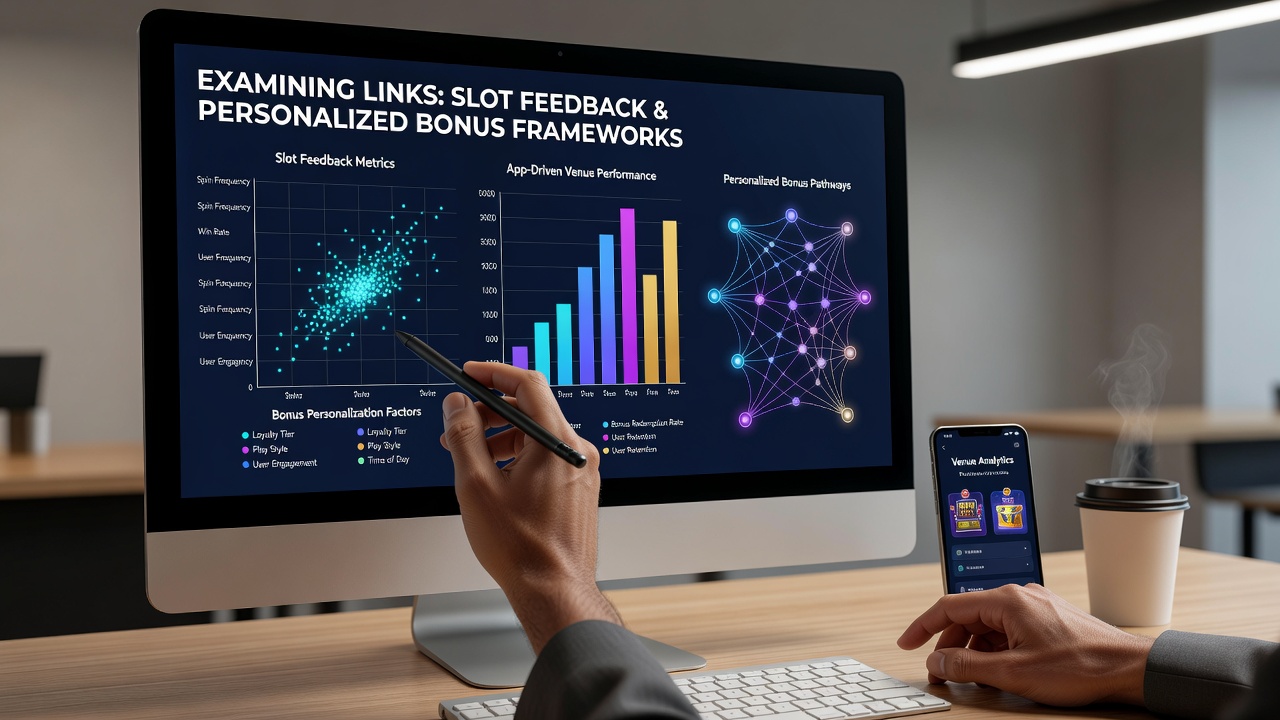
App-driven venues have integrated player feedback loops directly into slot mechanics, creating pathways where session data shapes reward distribution. Observers note that these systems collect metrics on spin frequency, bet sizing patterns, and session duration to inform adjustments in bonus eligibility. Data from multiple jurisdictions shows that operators deploy algorithms capable of processing thousands of interactions per minute, which then feed into frameworks offering customized free spins or multiplier enhancements.
Mechanics of Feedback Collection in Slot Applications
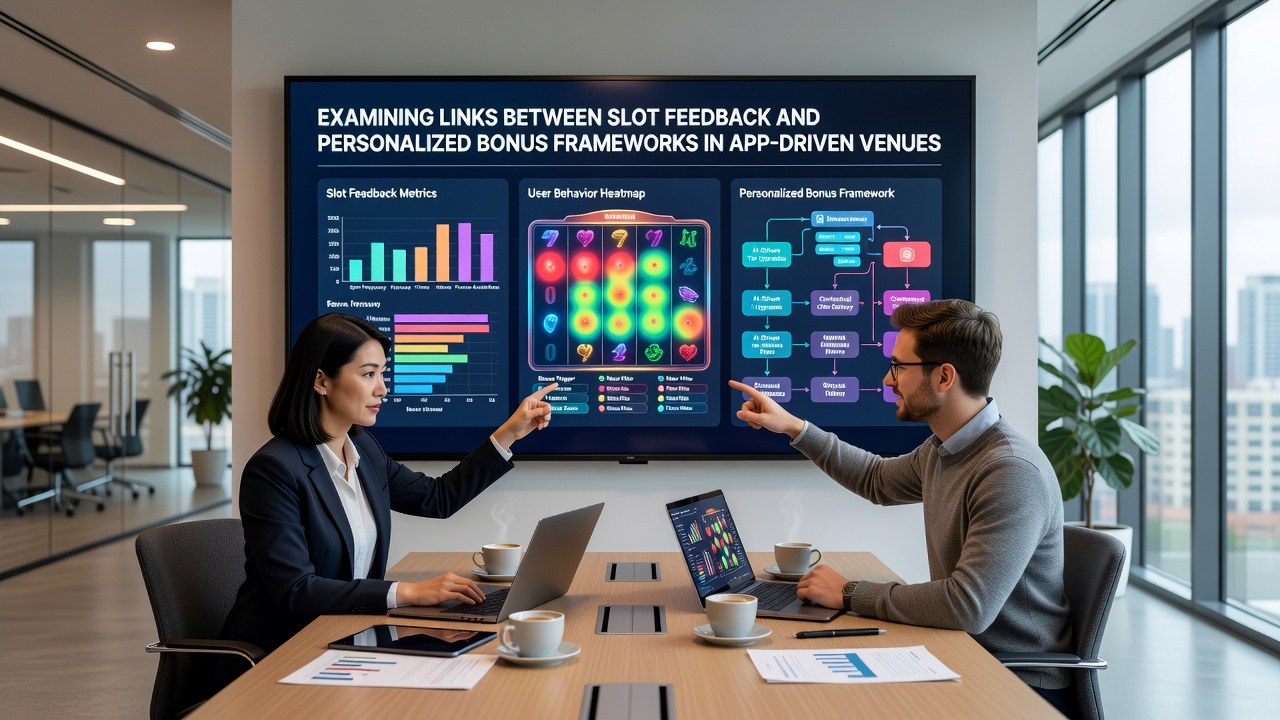
Slot platforms gather input through in-app surveys, behavioral tracking during gameplay, and post-session ratings that users submit voluntarily. Researchers at institutions studying digital entertainment have documented how these inputs combine with automatic logs of win rates and volatility preferences. One analysis from North American gaming regulators highlighted that venues using such combined datasets achieve more precise targeting of promotional offers, reducing instances where generic bonuses fail to engage specific player segments. And yet the process remains iterative, with each round of feedback refining subsequent reward calculations.
Personalized Bonus Frameworks and Their Dependencies
Customized incentive structures rely on segmentation models that categorize users according to activity levels and historical responses to prior offers. These frameworks adjust parameters like bonus wagering requirements or cashback percentages based on real-time signals extracted from slot sessions. Figures released by the Nevada Gaming Control Board in mid-2026 indicated steady growth in adoption of these adaptive systems across licensed digital operators, particularly those emphasizing mobile-first experiences. What's interesting is how feedback from earlier interactions often determines whether a player receives tiered VIP escalations or time-limited jackpot qualifiers.
Take one operator in an Australian market who implemented cross-referenced feedback modules in July 2026, resulting in measurable shifts in player retention metrics. Studies from the University of Nevada, Reno have examined similar deployments and found that when feedback directly influences bonus personalization, engagement metrics tend to stabilize across diverse user cohorts. But here's the thing: the integration demands careful calibration to avoid over-personalization that might feel intrusive.
Technical Linkages Driving the Integration
Backend architectures in app-driven venues typically employ machine learning pipelines that correlate raw feedback scores with transaction histories. These pipelines generate probability scores for bonus uptake, allowing venues to allocate resources toward offers with higher predicted acceptance rates. Data indicates that venues employing such linkages report reductions in promotional waste, since offers align more closely with demonstrated player preferences. Experts have observed that this alignment strengthens when feedback loops operate continuously rather than at fixed intervals.
Regulatory environments outside the UK have begun addressing transparency requirements around these data flows. Australian authorities, for instance, require disclosures about how player input influences reward calculations, while Canadian provincial bodies focus on audit trails for algorithmic decisions. Such measures ensure that the connections between feedback and bonuses remain verifiable without compromising operational efficiency.
Case Examples from Recent Deployments
One European operator expanded its mobile slot suite in 2026 by embedding feedback prompts immediately after bonus rounds, creating tighter cycles between user input and reward recalibration. Observers documented increased participation in loyalty programs following this change, as players received offers reflecting their stated preferences. Research indicates that similar patterns emerge when venues combine qualitative feedback with quantitative session data, producing more nuanced personalization than either source alone could achieve.
Another deployment in a North American jurisdiction used A/B testing to compare feedback-driven bonuses against static alternatives, revealing clearer preferences for dynamic adjustments among frequent mobile users. Those who've studied these implementations note that success hinges on balancing automation with opportunities for direct player overrides.
Conclusion
Links between slot feedback mechanisms and personalized bonus frameworks continue to evolve within app-driven venues, supported by advancing analytics capabilities and regulatory oversight from diverse jurisdictions. Data shows these integrations allow for more responsive reward systems while maintaining compliance standards across regions. As platforms refine their approaches through ongoing data collection, the relationships between user input and tailored incentives are likely to deepen in complexity and precision.