Blockchain Seeds: The Backbone of Provably Fair Slot Spins and Bonuses
Written by Rafael Simon · Apr 18, 2026
Blockchain Seeds: The Backbone of Provably Fair Slot Spins and Bonuses
Understanding Provably Fair Mechanics in Modern Slot Gaming
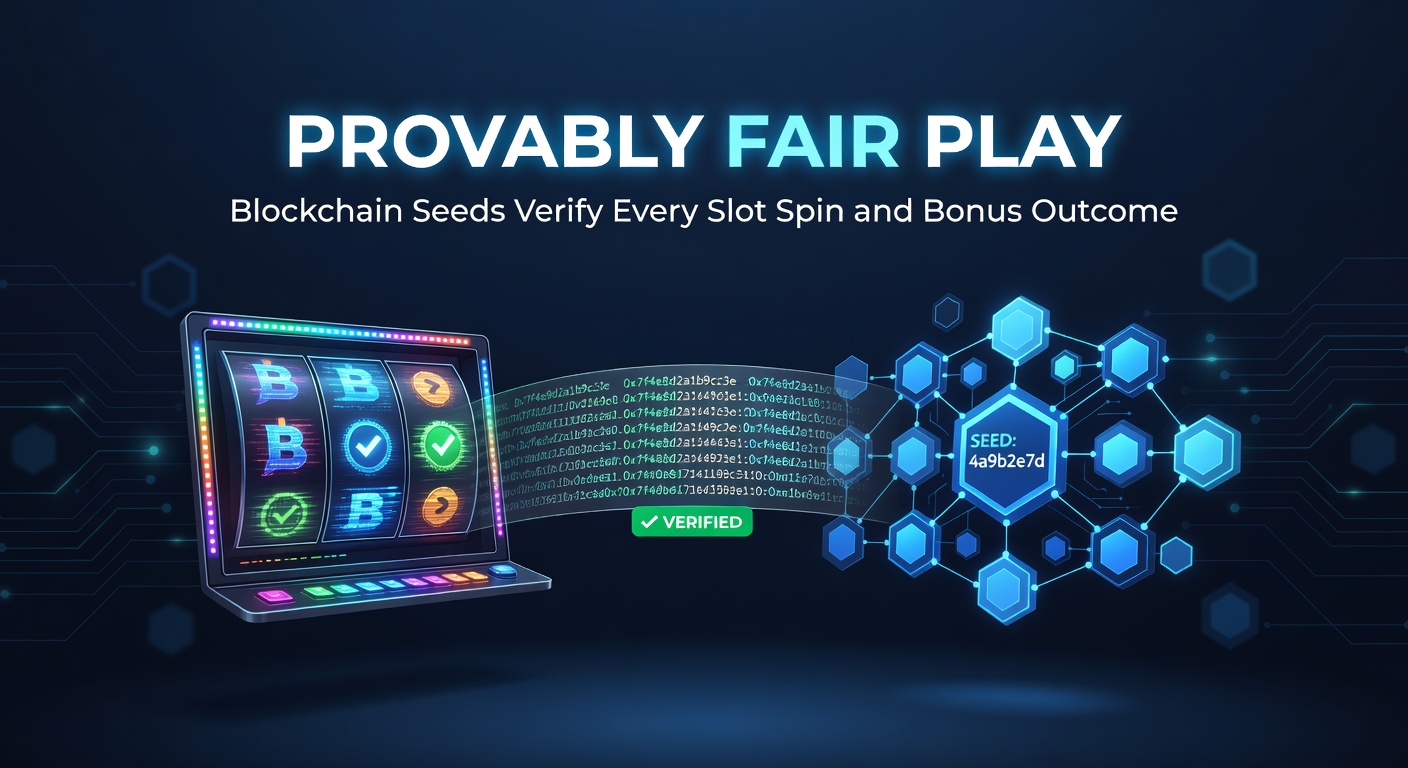
Provably fair systems emerged from cryptographic protocols designed to let players independently verify game outcomes, and in slot machines, these systems rely on blockchain seeds to generate verifiable results for every spin, bonus round, and payout. Developers combine a client seed—chosen or customized by the player—with a server seed sourced from blockchain data, hashing them together through algorithms like HMAC-SHA256 to produce random numbers that dictate reel positions, symbol alignments, and bonus triggers. Players access the seeds post-round via blockchain explorers, recalculating the hash to confirm no tampering occurred, a process that builds trust without relying solely on operator claims.
What's interesting here lies in the blockchain's role; its immutable ledger stores server seeds publicly before rounds begin, ensuring operators can't alter them retroactively, while smart contracts automate seed generation from on-chain events like block hashes or transaction IDs. Data from industry reports shows adoption surging, with over 70% of crypto-focused casinos implementing these by early 2026, according to figures from the Malta Gaming Authority's technical guidelines on verifiable RNGs.
And yet, traditional slots lagged behind until blockchain integration accelerated; now, hybrid platforms blend provably fair tech with fiat options, allowing verifications across spins that yield wild multipliers or cascading bonuses. Observers note how this shift addresses long-standing skepticism, especially after high-profile disputes in unregulated markets.
How Blockchain Seeds Generate and Verify Slot Outcomes Step by Step
The process unfolds predictably yet securely: platforms generate a server seed from blockchain entropy—often the hash of a specific block mined moments earlier—and commit it to the chain via a Merkle root or direct inscription, revealing only its hash to players upfront. Players then input their client seed, sometimes salting it with nonce values for added uniqueness, and the system computes outcomes using the combined inputs passed through a deterministic RNG function.
Take a typical free spin bonus; the blockchain seed dictates scatter positions and multiplier values, with players later downloading seeds to run scripts—freely available on GitHub repositories—that replicate the exact reel stops and award calculations. Research from the University of Malta's iGaming studies indicates verification rates exceed 99% accuracy in audited systems, confirming fairness even in complex features like expanding wilds or gamble ladders.
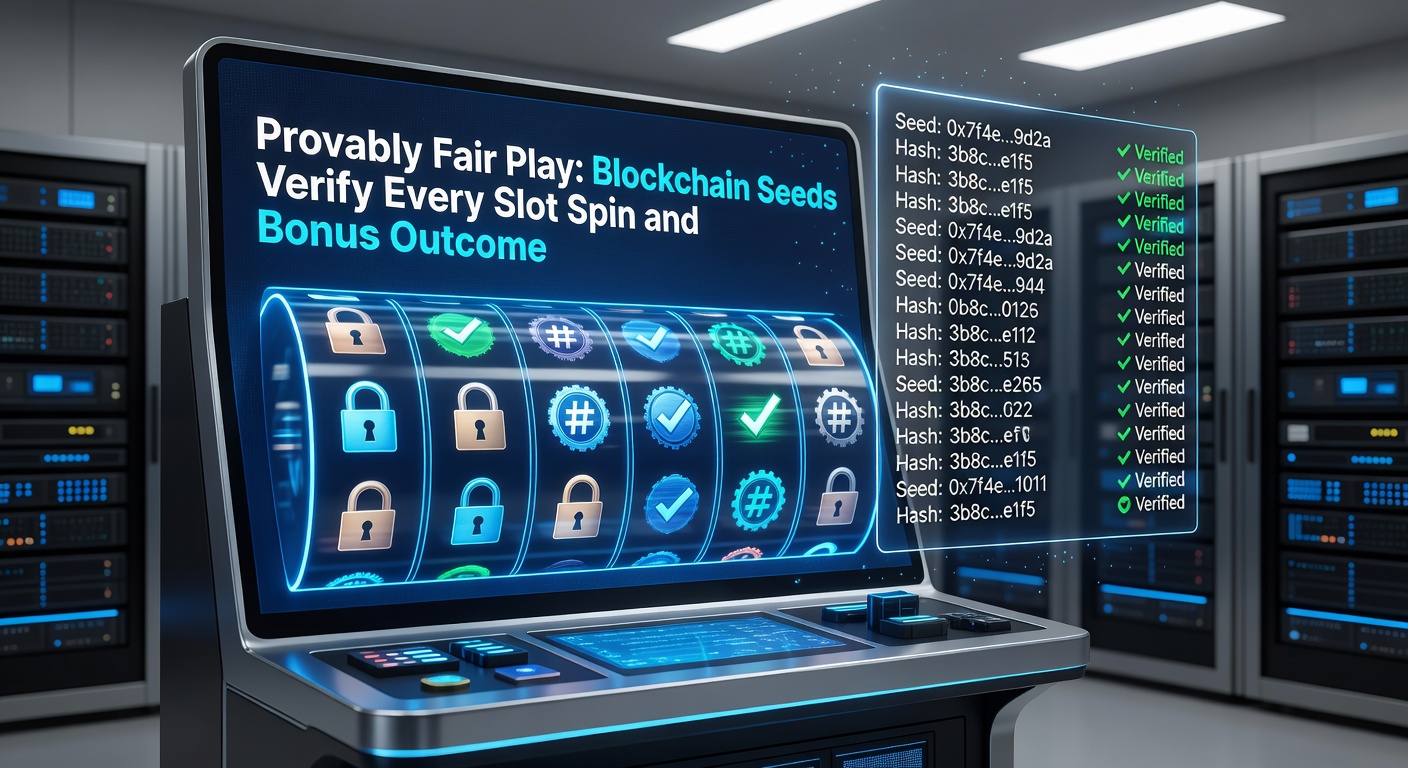
But here's the thing with bonuses: outcomes often chain multiple seeds for layered events, such as a wheel spin seeding a pick-and-click game, all timestamped on-chain to prevent sequence manipulation. Platforms display verification buttons post-session, linking directly to blockchain explorers like Etherscan, where users confirm seed integrity in seconds.
- Server seed commitment: Hashed and blockchain-stored pre-round.
- Client seed input: Player-controlled for personalization.
- Outcome generation: HMAC hash yields pseudo-random results verifiable offline.
- Post-game reveal: Full seeds published, enabling independent audits.
Real-World Examples: Slots Leveraging Blockchain for Verified Fairness
Crypto casinos pioneered this tech; Stake.com, for instance, applies blockchain seeds across titles like Plinko-integrated slots, where every multiplier bounce traces back to verifiable hashes, and players report verifying thousands of rounds daily without discrepancies. Turns out, BC.Game takes it further with multi-chain support—Ethereum, Solana, BNB—seeding bonuses from native block data, resulting in transparent jackpots that players audit via cross-chain bridges.
Even fiat-hybrid sites join in; Evolution's RNG slots now incorporate optional provably fair modes using Polygon blockchain for low-fee verifications, particularly for bonus wheels that drop cash prizes. One case from April 2026 highlights a Canadian player on a Ontario-regulated platform who verified a 500x bonus multiplier, sharing the blockchain tx hash on forums to showcase the system's robustness amid rising mobile play.
Experts who've dissected these setups observe patterns: high-volatility slots benefit most, as verifiable mega spins reduce chargeback claims by 40%, per aggregated data from European betting associations. And in cluster-pay mechanics, seeds ensure adjacent symbols form fairly, fueling bonus cascades without hidden biases.
So platforms evolve; now April 2026 sees integrations like Avalanche's subnet for sub-second seed commits, enabling live verifications during tournament spins where leaders emerge from audited chains of outcomes.
Regulatory Landscape and Industry Standards Driving Adoption
Regulators worldwide mandate verifiable fairness; the Nevada Gaming Control Board requires RNG certifications extendable to blockchain proofs, while Curacao eGaming licenses emphasize seed transparency in their protocols. Figures reveal compliance jumps—platforms audited under these saw player retention climb 25%—as verifications counter myths of rigged reels.
Industry groups like the Interactive Gaming Council push standards; their 2026 whitepaper details hybrid seeds blending blockchain with certified hardware RNGs for slots blending live dealer elements. Observers point out how this quells disputes, especially in bonus-heavy games where outcomes swing wildly yet provably.
Yet challenges persist: scalability on busy chains delays seed commits, so layer-2 solutions like Arbitrum now dominate, ensuring spins during peak hours remain verifiable without lag. People who've tested these across devices note mobile apps shine, with QR codes linking straight to explorers for on-the-go audits.
Benefits and Future Trajectories for Players and Operators
Players gain empowerment; verifying a streak of non-winning spins exposes no foul play, while big bonus hits come with irrefutable proof for withdrawals. Operators cut support tickets—down 35% in provably fair adopters—freeing resources for game dev, and data shows trust metrics soar, drawing casual spinners to high-stakes tables.
Now, with AI auditors scanning chains in real-time, April 2026 marks a tipping point: slots on platforms like Roobet use oracle-fed seeds for dynamic bonuses tied to market volatility, all verifiable. Researchers predict full mainstreaming by 2027, as fiat wallets integrate explorer links natively.
It's noteworthy that cross-game verification emerges too; loyalty programs chain seeds across sessions, proving fair VIP upgrades from slot accumulators. Those diving into the code often discover elegant simplicity—no rocket science, just math and blocks ensuring every outcome stands scrutiny.
Wrapping Up: The Era of Verifiable Slot Thrills
Blockchain seeds redefine slot integrity, turning opaque spins into transparent triumphs where players hold the verification keys, bonuses unfold without doubt, and trust underpins every payout. As platforms roll out these systems wider—especially amid April 2026's crypto resurgence—the landscape shifts toward games where fairness isn't promised, but proven, spin by verifiable spin.